If you’ve ever taken a pill for stress, anxiety, or tension and thought, “Why do I still feel wound up?” you’re not alone. Stress doesn’t live only in your thoughts. It lives in your nervous system, your muscles, your breath, and even your posture.
That’s why this article focuses on The Nervous System, Stress, and Massage: Why Touch Works While Pills Don’t and why so many people in Toronto are turning to massage not as a luxury, but as a biological necessity.
Table of Contents
- Understanding the Nervous System and Stress Response
- Chronic Stress Is a Nervous System Issue, not a Willpower Issue
- Why Pills Often Fall Short for Stress Relief
- The Nervous System, Stress, and Massage: Why Touch Works While Pills Don’t
- Why Massage Works at the Root Level
- Why Stress Gets “Stored” in the Body
- Massage vs Medication: A Comparison
- Why Massage Is Especially Effective for Urban Stress in Toronto
- What to Expect After a Nervous-System-Focused Massage
- Frequently Asked Questions (FAQ)
- Conclusion: Why Touch Still Matters
- Why Instant Masseuse?
Understanding the Nervous System and Stress Response
Before we talk about massage, we need to talk about what stress really is.
Your Nervous System Has Two Modes
Your autonomic nervous system has two primary branches:
- Sympathetic nervous system – “fight or flight”
- Parasympathetic nervous system – “rest and digest”
When stress hits-emails, traffic, deadlines, emotional strain—your body automatically shifts into sympathetic mode.
Your heart rate increases.
Your breathing becomes shallow.
Your muscles tense.
Your digestion slows.
This response is useful short term. The problem? Most people never switch it off.
Chronic Stress Is a Nervous System Issue, not a Willpower Issue
Many people blame themselves:
“I just need to relax.”
“I should handle stress better.”
But chronic stress isn’t about mindset-it’s about nervous system overload.
According to the Canadian Mental Health Association, over 60% of adults report stress as their primary health concern, and Toronto consistently ranks among the most stressed cities in Canada due to pace of life, cost of living, and screen exposure.
When your nervous system stays in survival mode too long:
- Muscles stay contracted
- Pain becomes chronic
- Sleep quality drops
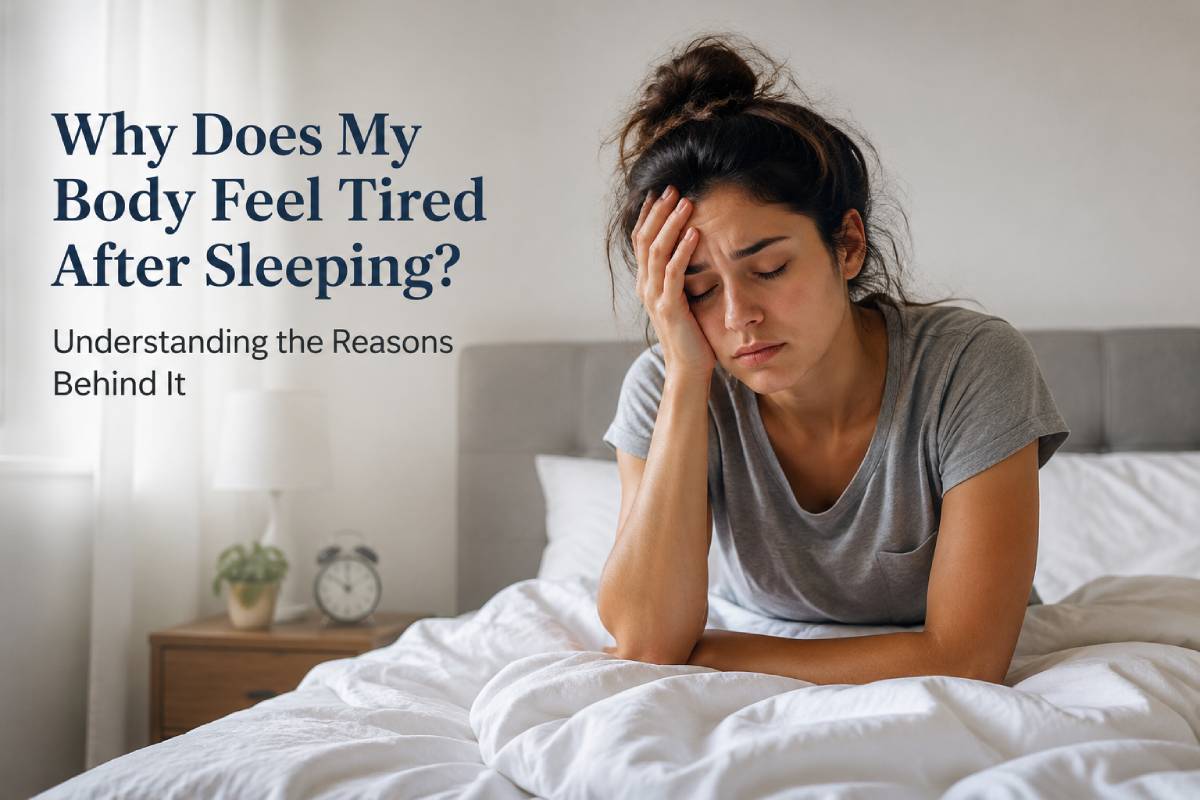
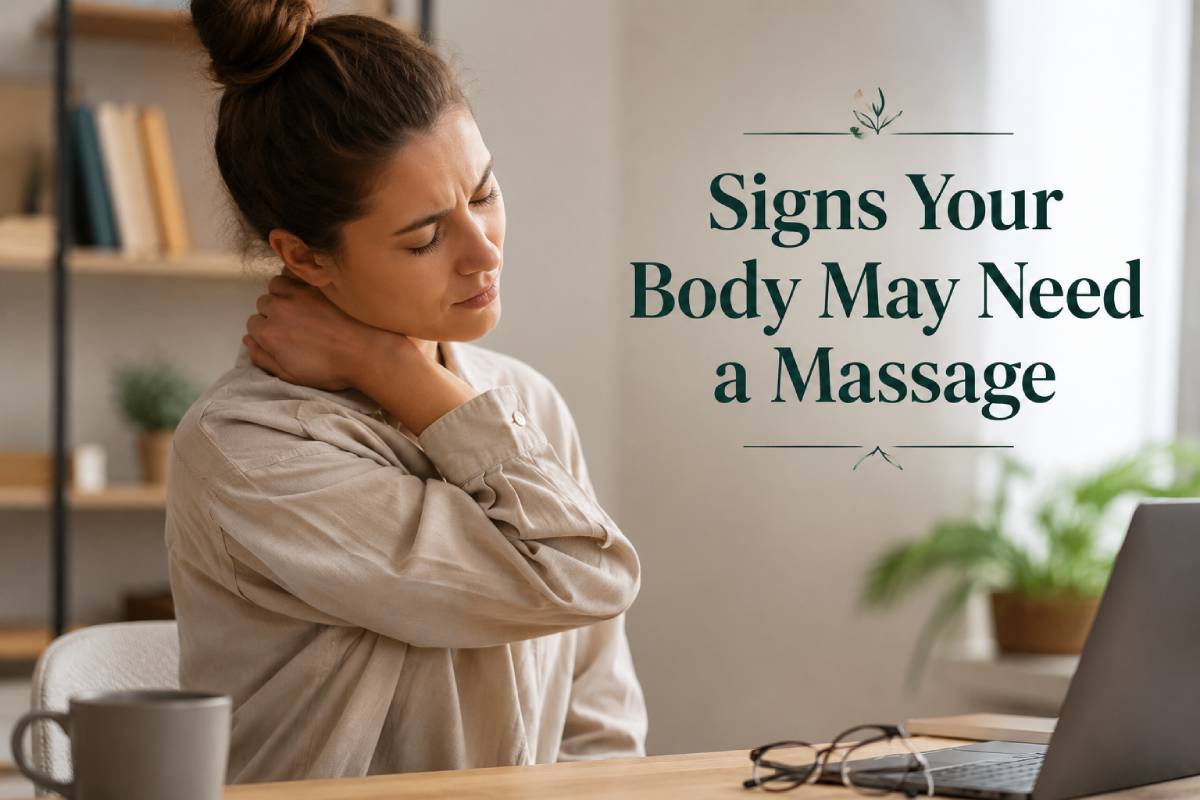
- Anxiety becomes physical, not just mental
At this point, talking yourself into calm doesn’t work-because your body doesn’t feel safe yet.
Why Pills Often Fall Short for Stress Relief
Medication has its place. But when it comes to stress and nervous system regulation, pills have limitations.
What Pills Can Do
- Reduce symptoms (pain, anxiety, inflammation)
- Temporarily alter neurotransmitter levels
- Help manage acute situations
What Pills Can’t Do
- Teach the body how to relax again
- Release stored muscular tension
- Restore nervous system flexibility
- Create a sense of physical safety
In other words, pills work chemically, but stress lives neurologically and physically.
That’s where touch enters the picture.
The Nervous System, Stress, and Massage: Why Touch Works While Pills Don’t
Massage doesn’t “convince” your body to relax.
It shows your body that it’s safe.
Touch Is a Direct Language of the Nervous System
Human skin contains specialized nerve receptors that communicate directly with the brain—especially areas involved in emotional regulation and safety.
When massage is applied:
- Cortisol (stress hormone) decreases
- Serotonin and dopamine increase
- Heart rate variability improves
- Parasympathetic activity increases
Studies show that massage can reduce cortisol levels by up to 30%, while increasing serotonin by nearly 28%-effects no pill can replicate through touch alone.
Why Massage Works at the Root Level
Massage doesn’t just relax muscles. It works through multiple biological systems at once.
- Muscle Decompression and Signal Reset
Tight muscles send constant danger signals to the brain. Massage reduces this feedback loop.
- Vagus Nerve Stimulation
Massage stimulates the vagus nerve, the main pathway of calm in the body, improving digestion, mood, and sleep.
- Breathing Synchronization
As muscles release, breathing deepens naturally-another signal to the nervous system that it’s safe.
- Interoception Awareness
Touch increases body awareness, helping you notice tension before it becomes pain.
Why Stress Gets “Stored” in the Body
You may have heard the phrase “the body keeps the score.” It’s not metaphorical—it’s neurological.
Stress gets stored in:
- Neck and shoulders
- Jaw
- Lower back
- Hips
- Diaphragm
That’s why even years-old stress can surface during massage sessions as emotion, relief, or deep exhaustion.
Massage gives the body permission to finish incomplete stress responses-something pills cannot do.
Massage vs Medication: A Comparison
Massage Therapy
- Works through the nervous system
- Builds long-term regulation
- Improves body awareness
- Reduces pain and anxiety simultaneously
- No chemical dependency
Medication
- Alters brain chemistry
- Often symptom-focused
- May require ongoing dosage increases
- Does not retrain stress response
- Possible side effects
This is why many healthcare providers now recommend massage alongside-not instead of-medical care, especially for chronic stress and pain.
Why Massage Is Especially Effective for Urban Stress in Toronto
Toronto life is intense:
- Long commutes
- Constant noise
- High performance culture
- Screen overload
Massage acts as a counterbalance to urban nervous system fatigue.
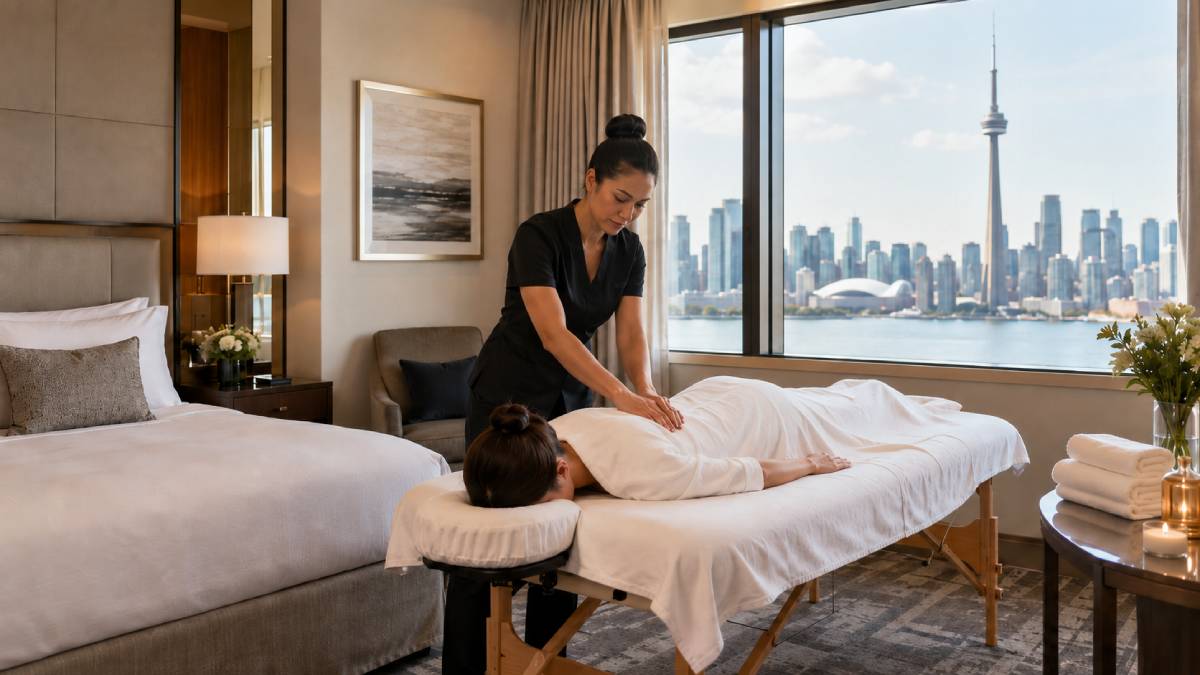
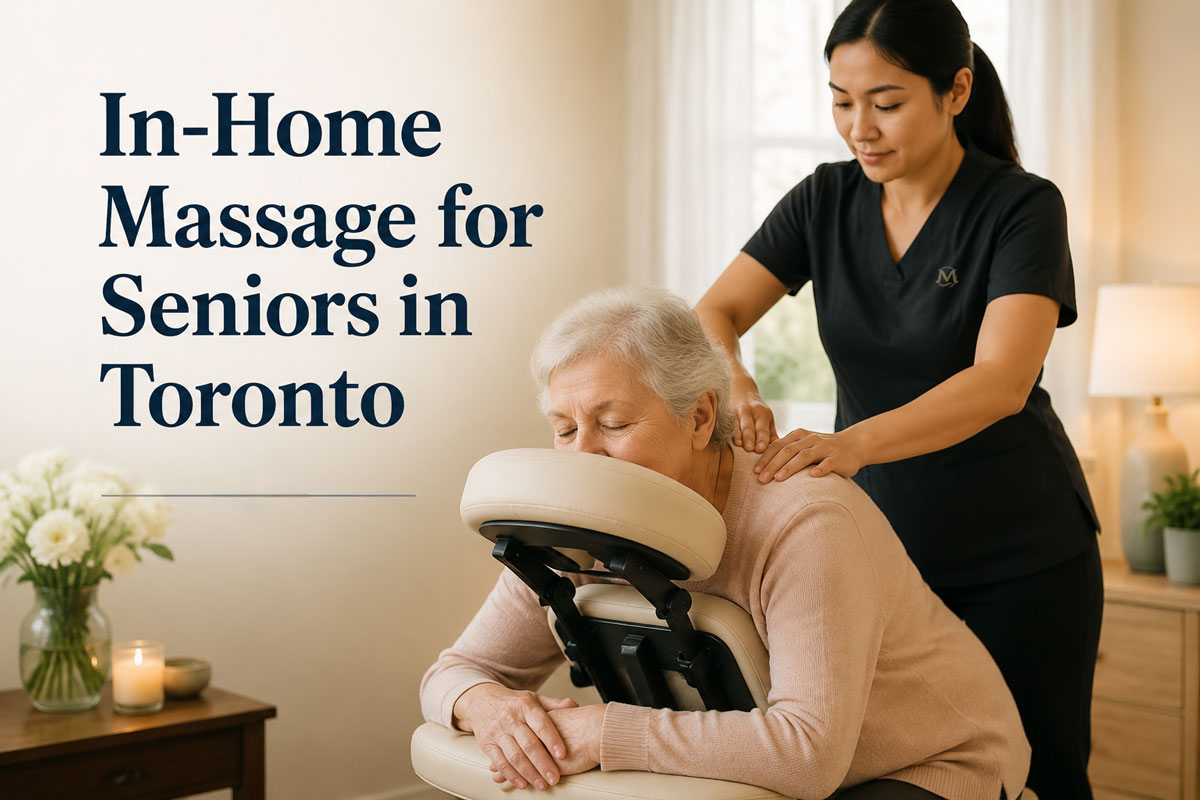
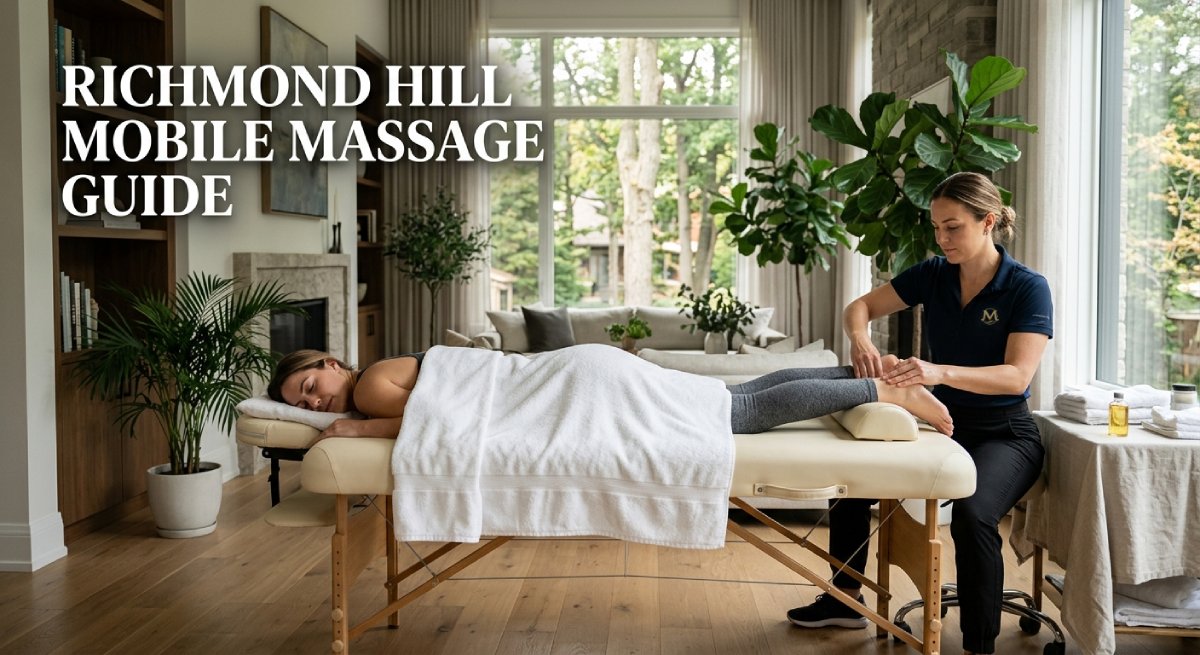
For Toronto residents, in-home and on-demand massage services like those offered by Instant Masseuse remove even the stress of travel, letting your body relax faster and deeper.
Frequently Asked Questions (FAQ)
Does massage really reduce stress long-term?
Yes. Regular massage improves nervous system flexibility, making it easier to recover from stress.
Is massage better than anxiety medication?
They serve different purposes. Massage addresses the body’s stress response; medication alters brain chemistry.
How often should I get massage for stress?
For chronic stress, once every 1–2 weeks is ideal.
Can massage help with burnout?
Absolutely. Burnout is a nervous system issue, not a motivation problem.
Why do I feel emotional during massage?
Stress and emotion are stored physically. Release is normal and healthy.
Does in-home massage work as well as clinics?
Often better-your nervous system relaxes faster in familiar environments.
Conclusion: Why Touch Still Matters
Stress is not a flaw-it’s a physiological state.
Massage works because it speaks the language of your nervous system. It doesn’t override your body. It cooperates with it.
If you live in Toronto and feel constantly “on,” wired, tense, or exhausted-your body isn’t asking for another pill. It’s asking for regulated touch, safety, and rest.
Your nervous system doesn’t need convincing.
It needs connection.
Why Instant Masseuse?
At Instant Masseuse, our goal goes beyond simply booking a massage. We help people understand how massage supports both the body and the nervous system-so it becomes part of a thoughtful wellness routine, not just a one-time service.
Whether you’re navigating stress, prioritizing recovery, or exploring better ways to care for your body, having access to on-demand mobile massage removes unnecessary barriers. You get support where you are, without adding more effort to an already busy day.
If you’re curious about how massage on demand could fit into your lifestyle, or you’d like to learn more before moving forward, we’re always open to a conversation. Our role is to help you make an informed decision that truly makes sense for you.