Most people think of massage as a way to relax or “treat themselves.”
But scientifically speaking, massage does far more than ease sore muscles.
When pressure, movement, and touch are applied to the body in specific ways, multiple biological systems respond at once including the nervous system, muscles, circulatory system, and even hormone regulation.
Understanding what actually happens inside your body during a massage helps explain why people often feel calmer, lighter, clearer, and physically better afterward. It also explains why massage is increasingly viewed not as a luxury, but as a legitimate wellness and recovery tool.
Table of Contents
- Key Takeaways
- Why Massage Works Beyond Relaxation
- How Massage Affects the Nervous System
- What Happens to Your Muscles During a Massage
- Massage, Circulation, and the Lymphatic System
- The Science Behind Stress Hormones and Massage
- How Massage Influences Pain and Recovery
- Mental Health, Mood, and the Brain’s Response to Touch
- Why Environment and Comfort Matter More Than You Think
- Summary
- Frequently Asked Questions
Key Takeaways
- Massage directly influences the nervous system, shifting the body out of stress mode
- Muscles respond by releasing tension and improving elasticity
- Blood and lymphatic circulation increase, supporting recovery and detoxification
- Stress hormones decrease while calming neurotransmitters increase
- Touch sends safety signals to the brain, improving mental clarity and mood
Why Massage Works Beyond Relaxation
Massage works because the human body is designed to respond to touch.
Pressure applied to muscles, connective tissue, and skin activates specialized receptors that communicate directly with the nervous system. These signals help regulate tension, pain perception, and emotional state.
In short: massage doesn’t just feel good it changes how the body functions.
How Massage Affects the Nervous System
The nervous system operates in two main modes:
- Sympathetic (fight or flight)
- Parasympathetic (rest and repair)
Stress, deadlines, anxiety, and physical strain keep most people stuck in sympathetic mode.
Massage stimulates the parasympathetic response by:
- Slowing heart rate
- Reducing blood pressure
- Encouraging deeper breathing
This shift is why people often feel calmer and mentally clearer during and after a session.
What Happens to Your Muscles During a Massage
Muscles hold tension when they’re overused, stressed, or under-recovered.
During massage:
- Muscle fibers are gently lengthened
- Adhesions and tight spots loosen
- Muscle elasticity improves
- Oxygen delivery increases
This reduces stiffness and allows muscles to move more efficiently, which helps prevent injury and chronic pain over time.
Massage, Circulation, and the Lymphatic System
Massage encourages:
- Increased blood flow to tissues
- Improved oxygen and nutrient delivery
- Enhanced lymphatic drainage
The lymphatic system plays a key role in immune health and waste removal. Massage helps move stagnant lymph fluid, which can reduce swelling and promote faster recovery.
The Science Behind Stress Hormones and Massage
Studies show that massage can:
- Lower cortisol (the stress hormone)
- Increase serotonin and dopamine (mood-regulating neurotransmitters)
Lower cortisol supports better sleep, digestion, and immune response—while improved serotonin and dopamine levels contribute to feelings of calm and emotional balance.
How Massage Influences Pain and Recovery
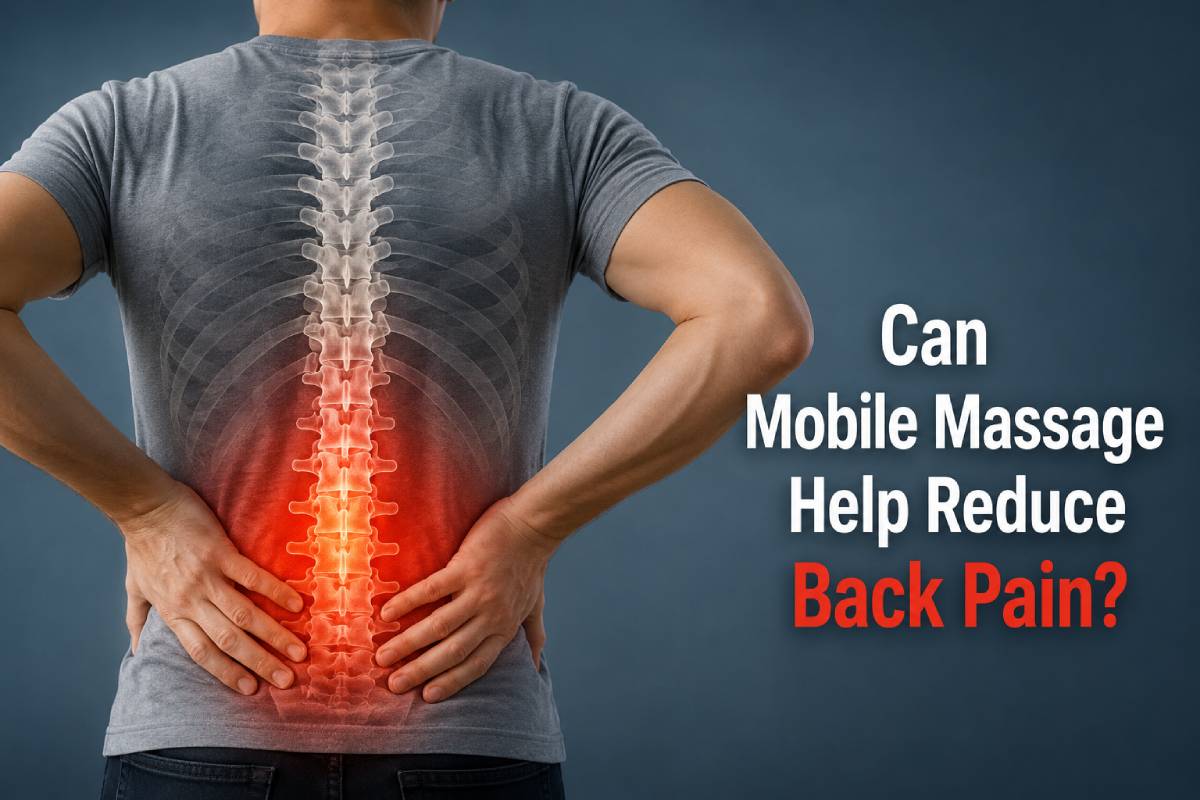
Massage affects pain through both physical and neurological pathways.
Physically, it reduces muscle tension and inflammation.
Neurologically, it alters how the brain interprets pain signals.
This combination explains why massage is commonly used for:
Mental Health, Mood, and the Brain’s Response to Touch
Touch sends safety signals to the brain.
When the body feels safe:
- Anxiety decreases
- Focus improves
- Mental fatigue eases
Massage encourages the release of oxytocin, often called the “bonding hormone,” which plays a role in emotional regulation and stress reduction.
Why Environment and Comfort Matter More Than You Think
The body responds best when it feels secure.
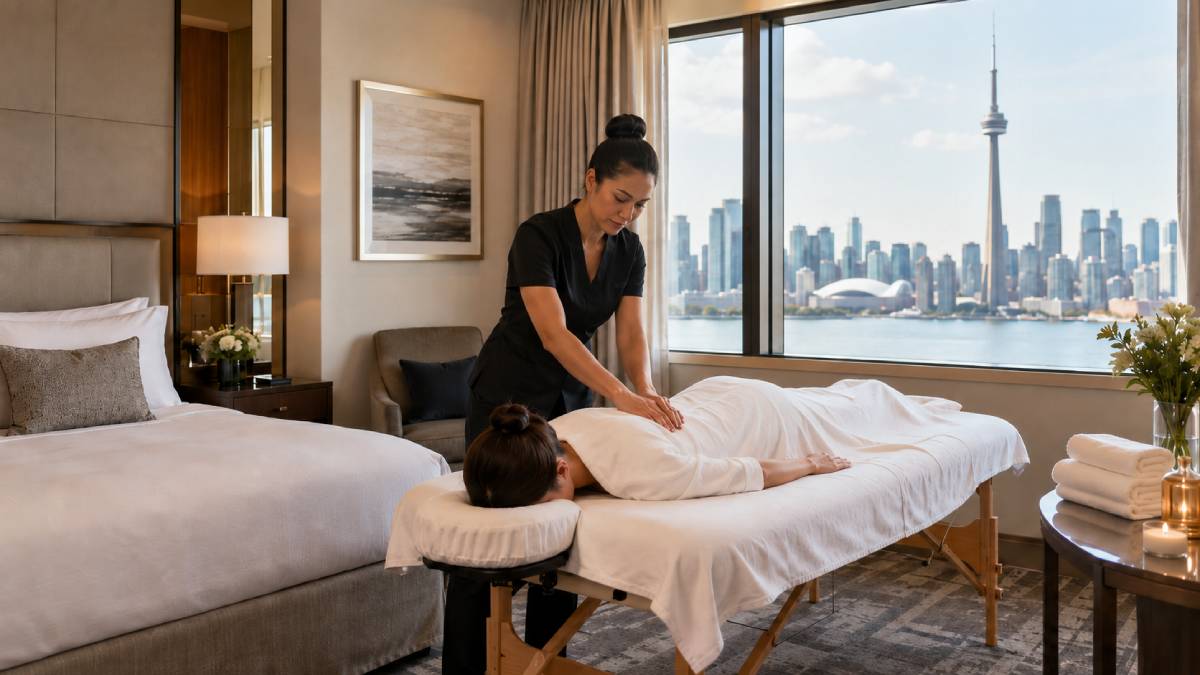
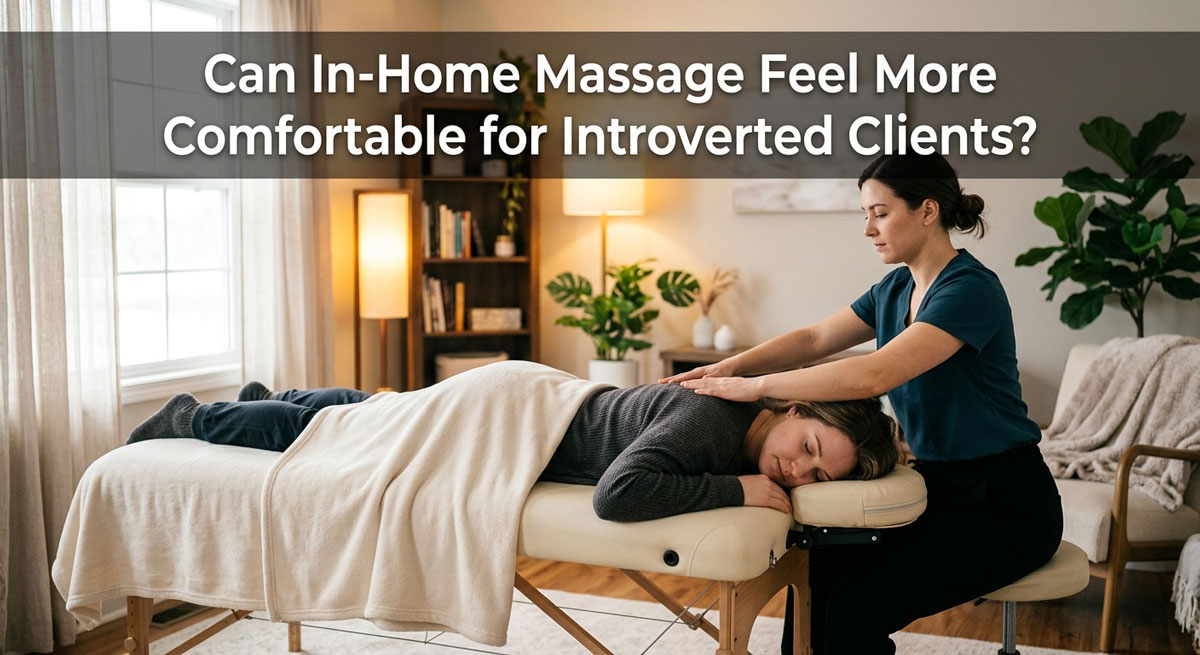
A calm, familiar environment allows the nervous system to relax more fully, amplifying the physical benefits of massage. Comfort, privacy, and reduced sensory stress all influence how effective a session feels.
Summary
Massage triggers measurable physiological changes throughout the body—from muscle relaxation and improved circulation to nervous system regulation and hormone balance.
It works not because it’s indulgent, but because the human body is wired to respond to touch. Understanding this science helps explain why massage remains one of the most effective tools for managing stress, recovery, and overall well-being.
Frequently Asked Questions
Does massage really affect stress hormones?
Yes. Research shows massage can reduce cortisol levels while increasing serotonin and dopamine, supporting relaxation and mood balance.
How long do the effects of massage last?
Immediate effects can last hours to days, while regular massage can lead to longer-term improvements in muscle health and stress regulation.
Is massage helpful even without pain?
Absolutely. Massage supports circulation, nervous system balance, and mental clarity, even when pain isn’t present.
Does the nervous system really respond to touch?
Yes. Touch receptors communicate directly with the brain, influencing heart rate, breathing, and emotional state.
Can massage support overall wellness?
Yes. When used consistently, massage can be part of a broader approach to physical and mental well-being.
Why Instant Masseuse?
At Instant Masseuse, we focus on helping people understand how massage supports the body and mind not just booking a session. Whether you’re exploring wellness, managing stress, or supporting recovery, having access to on-demand mobile massage makes it easier to care for your body without added friction.
If you’re curious about how massage on demand fits into your routine or want to learn more before taking the next step, we’re always happy to have a conversation and help you decide what makes sense for you.